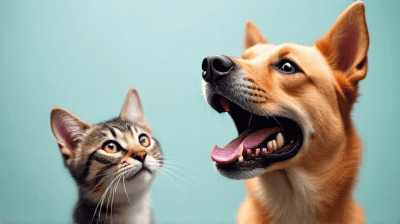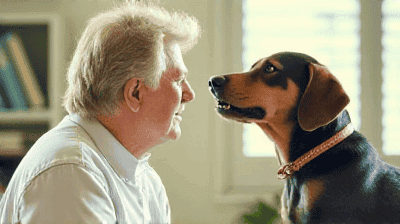
Dogs are incredibly expressive creatures, using a combination of body language, vocalizations, and facial expressions to communicate their feelings and intentions. Understanding canine body language is essential for building a strong bond with your furry friend, ensuring their comfort, and preventing misunderstandings that can lead to behavioral issues.
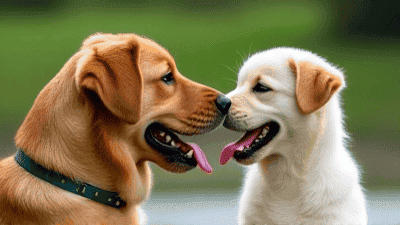
Dogs are incredibly expressive creatures, using a combination of body language, vocalizations, and facial expressions to communicate their feelings and intentions. Understanding canine body language is essential for building a strong bond with your furry friend, ensuring their comfort, and preventing misunderstandings that can lead to behavioral issues.
1. Why Understanding Canine Body Language Matters
Building Trust and Bonding
When you understand your dog’s signals, you can respond to their needs more effectively, strengthening your relationship and building trust.
Preventing Conflicts
Recognizing signs of stress, fear, or aggression can help you intervene before a situation escalates, ensuring the safety of both your dog and others.
Training and Behavior Modification
Understanding your dog’s body language allows you to tailor your training approach to their emotional state, making the process more effective and enjoyable for both of you.
2. The Key Elements of Canine Body Language

Facial Expressions
- Eyes: Wide eyes can indicate fear or stress, while squinting or soft eyes often signal relaxation. Direct staring can be perceived as a threat, especially by other dogs.
- Mouth: A relaxed, slightly open mouth suggests calmness. Lip licking or yawning can indicate anxiety or stress, while bared teeth are a clear sign of aggression.
Ear Positions
- Erect Ears: Alertness or curiosity.
- Flattened Ears: Fear, submission, or anxiety.
- Backward Ears: Indecision or nervousness.
Tail Movements
- High, Wagging Tail: Confidence or excitement.
- Low or Tucked Tail: Fear, submission, or anxiety.
- Slow Wagging Tail: Uncertainty or caution.
Body Posture
- Relaxed: A neutral stance with weight evenly distributed.
- Forward Leaning: Interest or aggression.
- Crouched: Fear or submission.
- Stiff: Tension or potential aggression.
Vocalizations
- Barking: Can indicate excitement, alertness, or distress.
- Whining: Often a sign of anxiety, pain, or a request for attention.
- Growling: A warning signal that your dog feels threatened or uncomfortable.
3. Interpreting Common Canine Signals
Happy and Relaxed
- Signs: Soft eyes, slightly open mouth, relaxed ears, loose tail wagging, and a neutral body posture.
- What It Means: Your dog is content and comfortable.
Playful
- Signs: Play bow (front legs stretched forward, hind end raised), bouncy movements, wagging tail, and vocalizations such as playful barks or growls.
- What It Means: Your dog is inviting you or another dog to play.
Fearful or Anxious
- Signs: Wide eyes, flattened ears, tucked tail, lip licking, yawning, and a crouched or lowered body posture.
- What It Means: Your dog is feeling scared or uncomfortable. It’s important to remove the source of stress or provide reassurance.
Aggressive
- Signs: Stiff body posture, bared teeth, erect ears, direct staring, and growling.
- What It Means: Your dog is feeling threatened and is ready to defend themselves. Avoid approaching and give them space.
Submissive
- Signs: Crouched body posture, flattened ears, tucked tail, and avoiding eye contact.
- What It Means: Your dog is acknowledging a higher-ranking individual (human or dog) and wants to avoid conflict.
4. How to Respond to Your Dog’s Body Language

When Your Dog Is Relaxed
- What to Do: Continue positive interactions, such as petting or playtime, to reinforce their comfort.
When Your Dog Is Playful
- What to Do: Engage in play with toys or active games to help them burn off energy.
When Your Dog Is Fearful or Anxious
- What to Do: Remove the source of stress if possible. Provide comfort and avoid forcing them into situations that scare them.
When Your Dog Is Aggressive
- What to Do: Avoid direct confrontation. Give your dog space and consult a professional trainer or behaviorist for help.
When Your Dog Is Submissive
- What to Do: Offer gentle reassurance and avoid overwhelming them with attention or physical interaction.
5. Common Misinterpretations of Canine Body Language
Tail Wagging Always Means Happiness
While a wagging tail often indicates excitement or happiness, it can also signal nervousness or agitation, depending on the speed and position of the wag.
Growling Always Means Aggression
Growling can be a warning signal, but it can also occur during play. Pay attention to the context and other body language cues to interpret its meaning.
A Yawning Dog Is Just Tired
Yawning can indicate stress or anxiety, especially in unfamiliar or uncomfortable situations.
6. Tips for Improving Your Understanding of Canine Body Language

Observe Your Dog in Different Situations
Pay attention to how your dog’s body language changes in various contexts, such as during play, at the vet, or when meeting new people or animals.
Educate Yourself
Read books, watch videos, or attend seminars on canine behavior to deepen your knowledge.
Consult a Professional
If you’re unsure about your dog’s signals or if they’re exhibiting problematic behaviors, consult a certified dog trainer or behaviorist for guidance.
7. Training Your Dog Using Body Language
Positive Reinforcement
Use body language, such as a relaxed posture and encouraging tone of voice, to reinforce good behavior. Reward your dog with treats, praise, or playtime.
Clear Communication
Use consistent signals, such as hand gestures and body posture, to communicate commands and expectations.
Avoiding Mixed Signals
Ensure your body language aligns with your verbal commands to avoid confusing your dog. For example, if you want your dog to sit, stand upright and use a firm but calm tone.
8. Understanding Canine Body Language in Multi-Pet Households
Signs of Harmony
Relaxed body postures, play bows, and mutual grooming indicate that your pets are comfortable with each other.
Signs of Tension
Stiff postures, growling, and avoidance behaviors suggest that your pets may be experiencing conflict. Intervene early to prevent escalation.
Introducing New Pets
Use controlled introductions and monitor body language closely to ensure a smooth transition.
Conclusion
Decoding your dog’s body language is an essential skill for any pet owner. By understanding the subtle signals your dog uses to communicate, you can respond to their needs more effectively, prevent behavioral issues, and strengthen your bond. Remember that every dog is unique, and learning to interpret their individual cues takes time and observation. With patience and practice, you’ll become adept at reading your dog’s body language, ensuring a happy and harmonious relationship.